
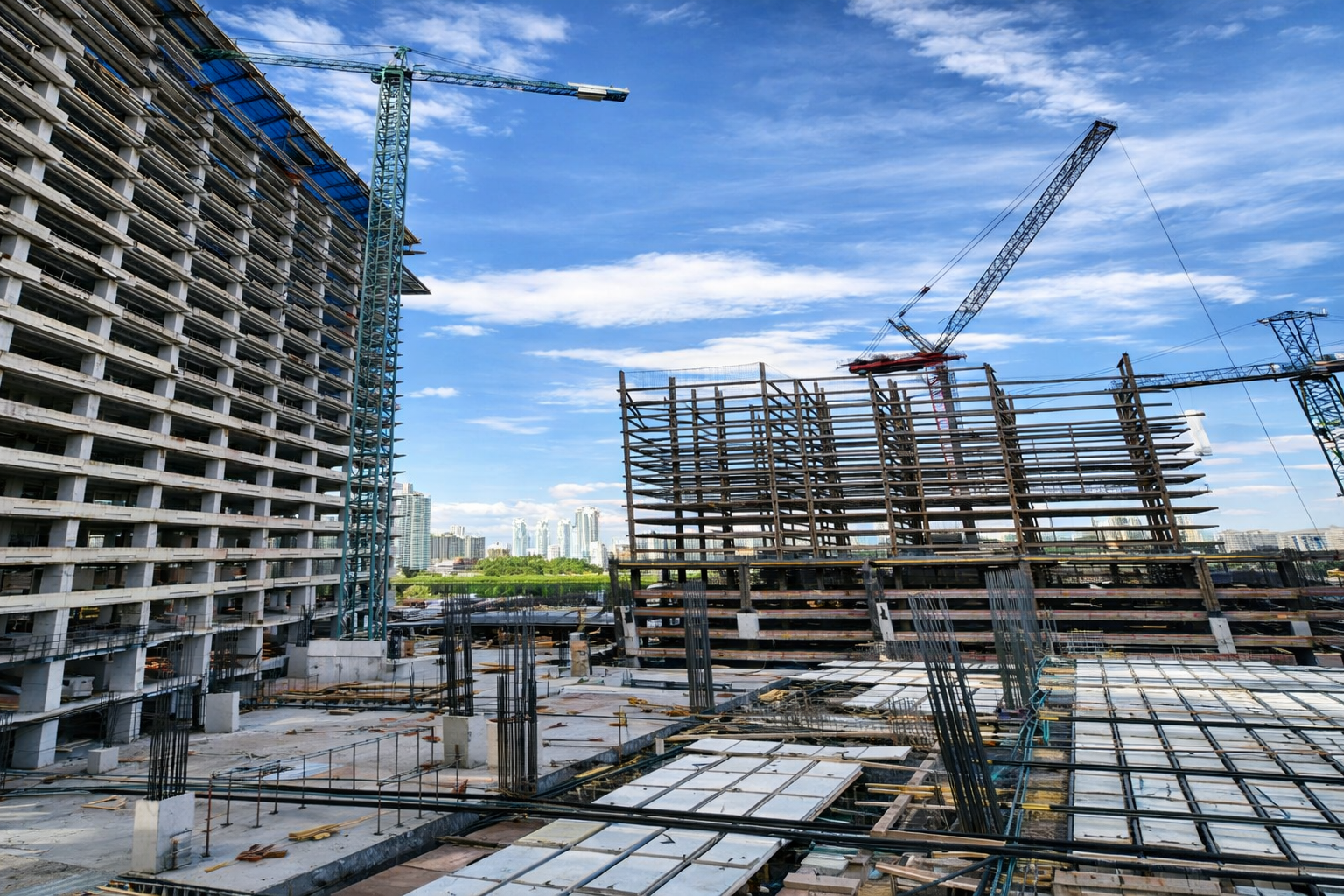
What is BIM and Why It’s Essential for Modern Construction Projects
The construction industry has rapidly evolved over the past decade, moving from traditional 2D drawings toward intelligent, data-driven digital workflows. One of the biggest drivers of this transformation is Building Information Modeling (BIM) — a technology and process that enables architects, engineers, and construction professionals to plan, design, and manage projects more efficiently.
With increasing project complexity, tighter deadlines, and growing demands for accuracy, BIM has become an essential tool for modern construction projects. In this article, we’ll explore what BIM is, how it works, and why it has become a critical part of the Architecture, Engineering, and Construction (AEC) industry.
What is BIM?
Building Information Modeling (BIM) is a digital process that involves creating and managing intelligent 3D models containing detailed information about a building or infrastructure project. Unlike traditional CAD drawings, BIM models are not just visual representations — they include data such as geometry and spatial relationships, materials and quantities, structural and architectural details, project timelines and costs, and maintenance and lifecycle information. BIM allows all stakeholders — architects, structural engineers, MEP consultants, contractors, and project managers — to work on a coordinated digital model, improving collaboration and reducing misunderstandings.
Why BIM Matters in Modern Construction
Today’s construction projects are more complex than ever. Multiple disciplines must collaborate closely while maintaining high levels of precision and efficiency. BIM addresses these challenges by creating a centralized and intelligent project environment.
Some key reasons BIM is essential include enhanced visualization and design accuracy, better communication between project teams, improved planning and decision-making, reduced construction risks and errors, and efficient project management throughout the lifecycle. BIM shifts construction from a reactive process to a proactive, well-planned workflow.
Key Benefits of BIM in Construction Projects
Improved Design Accuracy
BIM enables teams to create highly detailed and coordinated models, minimizing design inconsistencies and reducing the chances of on-site errors.
Better Collaboration
All project stakeholders work within a shared digital environment, which improves communication and ensures everyone has access to the latest information.
Clash Detection and Risk Reduction
One of the most valuable features of BIM is clash detection — identifying conflicts between structural, architectural, and MEP systems before construction begins.
Time and Cost Savings
By reducing rework, improving coordination, and enhancing project planning, BIM helps lower project costs and shorten construction timelines.
Enhanced Visualization
3D models allow clients and stakeholders to better understand project designs, making decision-making faster and more confident.
How BIM Works: A Typical Workflow
- Data Collection & Concept Design — Initial planning and information gathering from clients and site conditions.
- 3D Modeling — Creation of architectural, structural, and MEP models using software like Revit.
- Coordination & Clash Detection — Integration of multiple disciplines into a single coordinated model.
- Documentation & Construction Planning — Generation of drawings, schedules, and project information directly from the BIM model.
- Construction & Facility Management — BIM continues to support the project through construction and even building maintenance.
Common Challenges Without BIM
Projects that rely solely on traditional drafting methods often face design conflicts discovered late during construction, communication gaps between teams, increased rework and project delays, difficulty visualizing complex systems, and cost overruns due to coordination issues. BIM significantly reduces these risks by enabling early problem detection and better collaboration.
How Professional BIM Services Support Modern Projects
Professional BIM service providers help AEC firms implement efficient workflows, accurate modeling, and coordinated project delivery. Services typically include structural, architectural, and MEP BIM modeling, Scan to BIM for existing structures, clash detection and coordination, shop drawings and construction documentation, and BIM consulting and project support. Outsourcing BIM services can help companies scale their capabilities while maintaining quality and meeting tight deadlines.
Conclusion
Building Information Modeling is no longer just an option — it has become a necessity for modern construction projects. By improving collaboration, reducing errors, and enhancing project efficiency, BIM enables construction teams to deliver high-quality projects on time and within budget. As the construction industry continues to embrace digital transformation, BIM will remain at the centre of innovation, helping teams build smarter, safer, and more sustainable structures.
Call to Action
Looking to integrate BIM into your next project? Our team provides professional BIM modeling, coordination, and Scan to BIM services tailored to your project requirements. Contact us today to request project samples or schedule a free consultation.
Comments
Comments are disabled in this demo.